
Studying Regulatory T Cells in Osaka
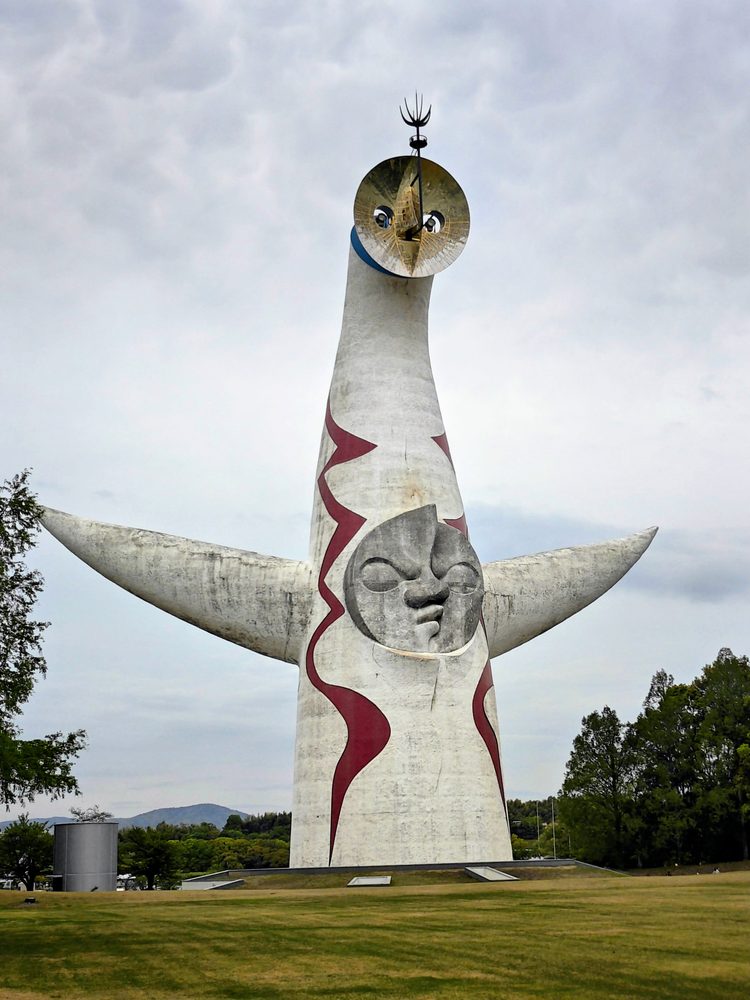
The idea of a research stay in Japan developed gradually, although the final decisions were made quickly. Alongside my clinical work as a physician I have been involved in immunological research for many years. I am particularly interested in how fundamental discoveries about the immune system might eventually lead to new treatments.
In recent years my attention has increasingly turned to cell therapies. T-cell-based treatments have produced remarkable results in blood cancers and, more recently, in severe autoimmune diseases. As medicine cells are exceptional: they can move through the body, sense their surroundings and change their behaviour accordingly. These properties make cell therapies both promising and difficult to develop.
My first encounter with induced regulatory T cells, or iTreg cells, took place in 2014 in Riitta Lahesmaa’s research group. I was studying long non-coding RNA molecules involved in Th17-cell differentiation at the time while my researcher friend worked with iTreg cells at the cell-culture station next to me. My own research later led me to viral immunology, and my doctoral thesis focused on T-cell response to coronavirus infection and COVID-19 vaccination. Nevertheless, the idea of using inflammation-regulating cells in medical treatment remained in the background.
I defended my doctoral thesis in February 2025. I called Riitta soon afterwards and we met at BioCity to discuss where to take my research next. I told her that I wanted to return to iTreg cells and explore their potential as a living medicine. We decided to arrange a meeting with Professor Shimon Sakaguchi, who had recently become a visiting professor at the University of Turku. Our conversation over lunch flowed surprisingly smoothly, and the idea of visiting Sakaguchi’s laboratory at Osaka University was born.
In December 2025, shortly after the birth of my second child, I I was awarded a fellowship by the Sigrid Jusélius Foundation. This made the plan of moving abroad possible. For our family, the move was simultaneously a great adventure and a leap into the unknown. In the end, the departure happened at remarkable speed: the Certificate of Eligibility required for entry to Japan arrived in the early hours of the morning, and that same afternoon we were already in a plane to Japan with our two young children.
Biking to Work
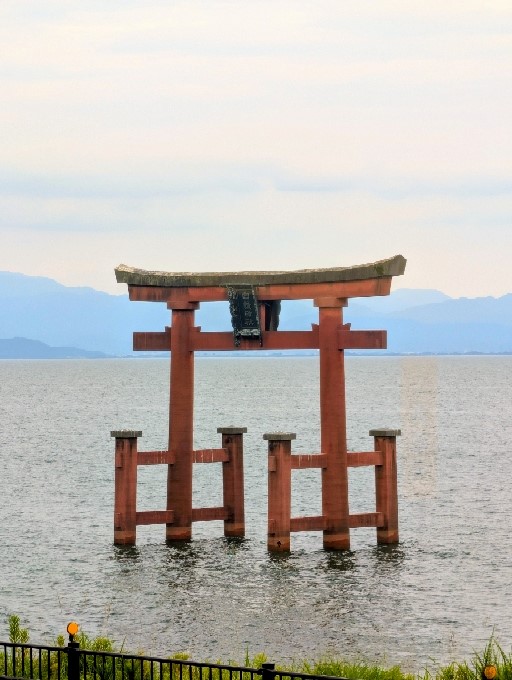
We live in Suita, located in the Yamata-Higashi region of northern Osaka. Although the vast Osaka metropolitan area stretches around us, our neighbourhood feels like a small village. The local community has welcomed us warmly. Every morning I cycle to the Suita campus of Osaka University and the Immunology Frontier Research Center, where I work in the laboratory of Nobel laureate Shimon Sakaguchi.
I have also received a warm welcome in the laboratory. In addition to helping me with my research, my colleagues have supported me with many small questions and practical matters related to everyday life in Japan. The Japanese habit of showing consideration for others can be seen actions such as souvenirs brought back from trips, small gifts, and the natural willingness to offer help when someone needs it. These everyday gestures of kindness have made it easier for us to settle in and have made me feel part of the group.
I have been learning to generate and study iTreg cells while building towards the next stage of developing CAR-engineered cells. At first, the independence required by this new project made me uncertain. Now, I have already designed my own lentiviral constructs, and the research idea is gradually taking shape as a concrete experimental project. It has been rewarding to realise that things which once felt unfamiliar have become part of my own work.
Explore, make mistakes, and try again
In Japanese laboratory culture, researchers are expected to work with considerable independence. Help is available, but one often needs to investigate the issue far enough to know the right question to ask. I have not felt abandoned however, sincesearching, making mistakes and trying again are regarded as important parts of research.
My day-to-day supervisor, Mikami-sensei, reminded me that failure should not be feared. Every researcher eventually encounters a question that no one has solved before. Otherwise, it would not really be research. I have learned to move forward one day and one experimental step at a time, and understood that research is about more than just reaching a destination. What kind of researcher one becomes along the way is equally important.
When I return to Turku, I want to continue studying iTreg cells and cell therapies, applying what I have learned in Japan to research in Finland. The methods and biology of the cells are fascinating, but as a physician, what matters most to me is where the work ultimately leads. The value of a cell therapy is determined only when it can be used to help a patient for whom current treatments are not enough.
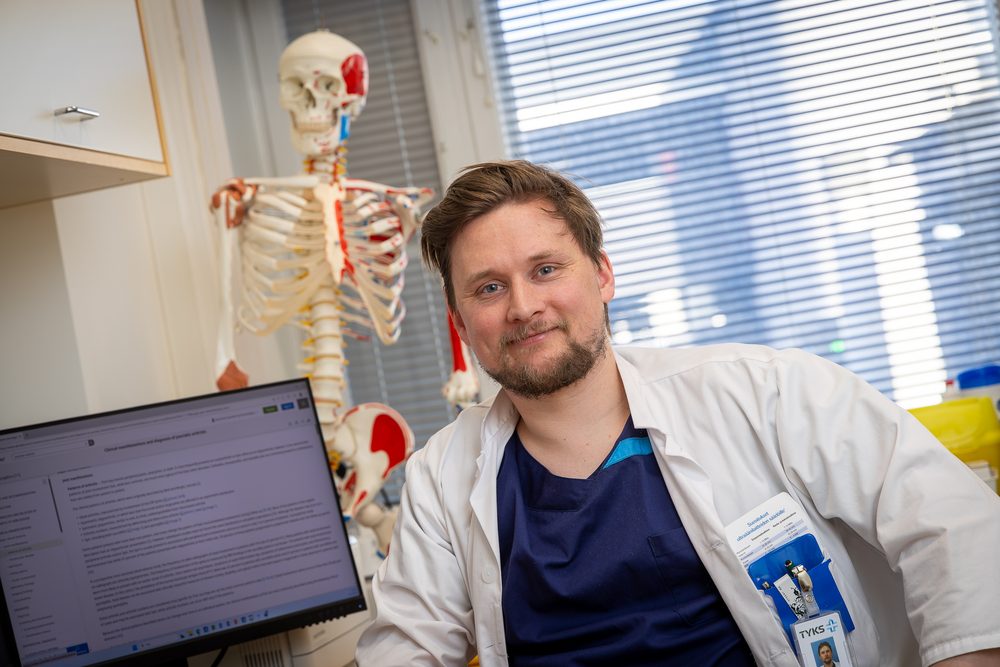
Antti Hurme
Clinical Director of the Turku Immunology Centre