
Singapore memories: A week among the brightest minds of the world
Can you imagine stepping into Singapore’s warm air while much of the world is still wrapped in winter cold, and spending a week alongside 409 young researchers from 57 countries discussing big scientific questions with leading scientists from around the globe? January 2026, it became a reality for us.
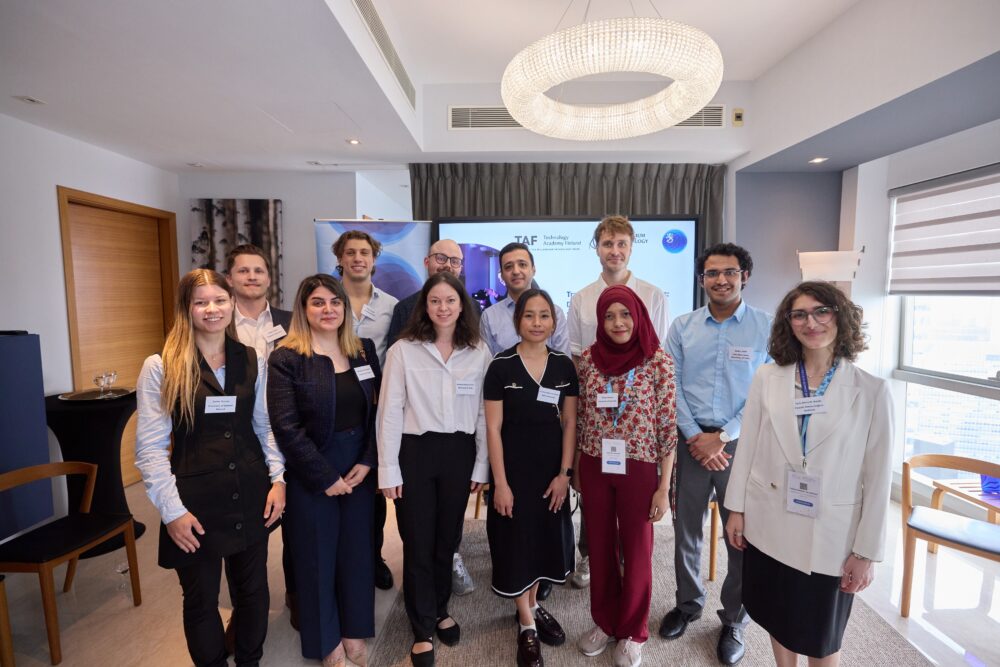
We were among twelve young researchers from Finland nominated by the Technology Academy Finland (TAF) to attend Global Young Scientists Summit (GYSS), an event that brings together early‑career researchers and around 20 internationally renowned laureates, including recipients of the Nobel Prize, the Turing Award, and the Millennium Technology Prize.
Right from the start, the program felt exciting. Even before the official opening, participants spent half a day visiting leading research institutes in Singapore and gained firsthand insight into the country’s dynamic scientific ecosystem. The keynote lectures were intensely multidisciplinary, spanning fields from cosmology and artificial intelligence to the biology of aging, and were thoughtfully balanced with interactive sessions and networking activities.
The human side on success in research
What truly sets GYSS apart is its format. Beyond the plenary talks, the summit offers small‑group sessions with laureates, creating space for open, honest, and surprisingly personal conversations about science, career paths, and the human side of success in research.
We had the privilege of a fireside chat with Randy Schekman. He spoke not only about his Nobel Prize-winning work on vesicle trafficking, but also on the qualities that shape transformative scientists: curiosity, independent thinking, and perseverance.
When the conversation turned to mentorship, he reflected on the many scientists he has guided over the years, including David Baker and David Julius, both of whom later became Nobel laureates, and added with a wry smile that perhaps the formula for success is surprisingly simple: be named David.
Diverse discussions
The summit also provided selected participants with the opportunity to present their own research. Anastasiia shared findings from her PhD project on developing a time‑resolved fluorescence immunoassay for the detection of cardiac troponin I, a key biomarker of cardiac injury.
What stood out most was the diversity of questions. At most conferences, discussions stay within the narrow field, but the multidisciplinary nature of GYSS created a space where every aspect of the methodology and results was examined from entirely different perspectives, adding valuable insights and new angles for future research.
For Omkar, one of the most memorable aspects of GYSS was the candid advice shared by multiple laureates across disciplines: focus on doing good science, and the rest tends to fall into place. Amid the bureaucracy and pressures of academia, we need to keep our eyes peeled and continue chasing the questions that genuinely pique our interest. Oftentimes, this means trudging down an unknown, seemingly empty road for a while. But as Robert Frost elegantly puts it in The Road Not Taken, “…I took the one less traveled by, / And that has made all the difference.” That empty road might just lead us to discover something remarkably cool.
Singapore: urban architecture and greenery
Toward the end of the week, the Finnish nominating partner hosted a special event at the Finnish Embassy in Singapore focused on rapidly transforming technologies, where Anastasiia had the honor of joining a panel discussion alongside distinguished innovators such as David Klenerman, B. Jayant Baliga, and Ernst J. Kuipers, contributing the perspective of an early‑career researcher to the dialogue.
Beyond the science, there was Singapore itself. A city where urban architecture blends seamlessly with greenery, and where conversations about research continue over extraordinary food, making the entire experience even more memorable.
We are deeply grateful to the Technology Academy Finland for the nomination and to our InFLAMES supervisors for their encouragement and support. Opportunities like GYSS remind us that science is not only about experiments and publications, but also about people, mentorship, and the courage to explore the unknown together.
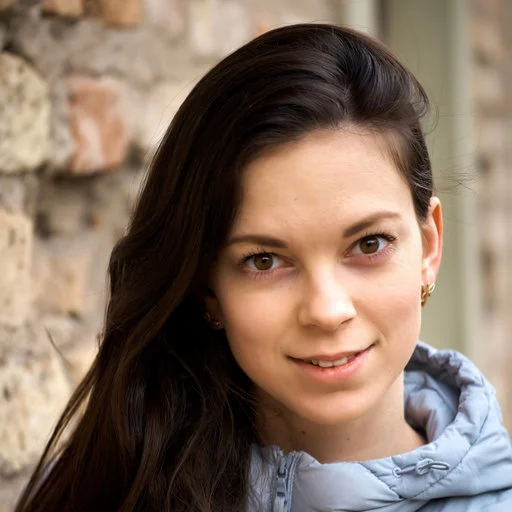
Anastasiia Kushnarova-Vakal
Doctoral Researcher, Department of Life Technologies
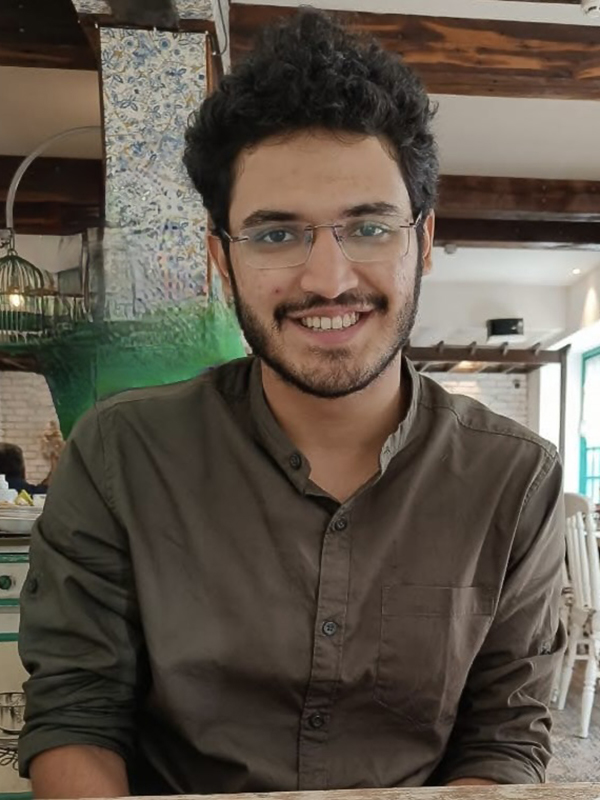
Omkar Joshi
Doctoral Researcher, Department of Life Technologies